
Rochester Water Demand Could Outpace Supply by 2031
Rochester, MN (KROC-AM News) - Low water levels in a Twin Cities lake have prompted an unprecedented study of southeastern Minnesota's drinking water supplies.
The Rochester City Council and the Rochester Public Utilities Board will be briefed next week about an RPU-led initiative titled the Water System Master Plan and Groundwater Study. The project will look into the groundwater sources currently used to meet the region's drinking water needs and possible major changes that may be needed to meet the growing demand for water across the region.
DNR Restrictions Prompt Search for New Water Sources
According to RPU documents, the driving force behind the study is a recent decision by the Minnesota Department of Natural Resources to prohibit the City of Rochester from constructing new water supply wells using the Jordan aquifer "unless RPU can demonstrate that alternative sources of water from different aquifers or from surface water sources are not available for municipal water supply." RPU General Manager Tim McCollough says the DNR directive stems from studies that found pumping from the aquifer contributed to a water level crisis involving White Bear Lake 13 years ago.
City Could Exceed Current Water Capacity by 2031
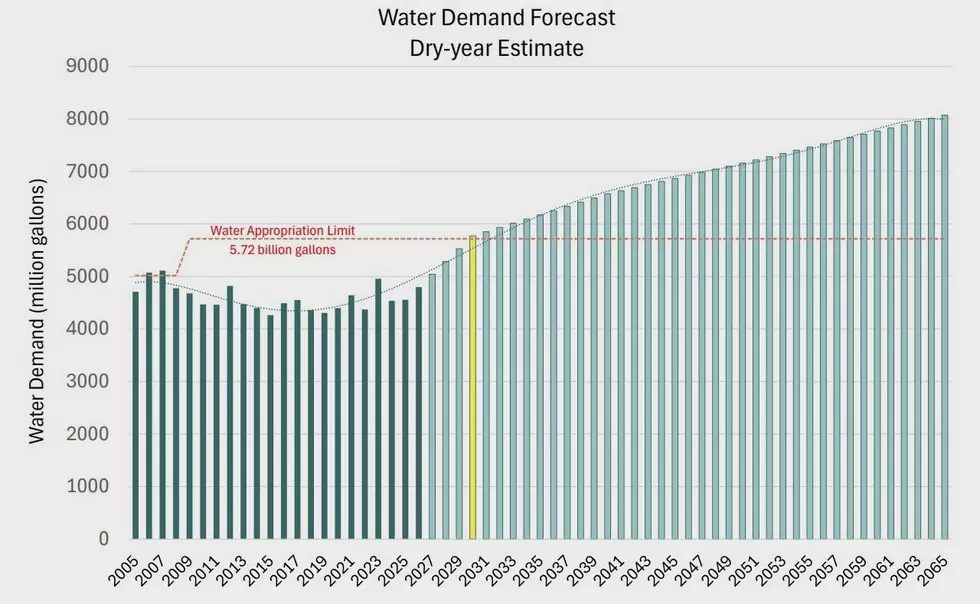
The RPU presentation indicates that Rochester's annual demand for water will grow to more than 8 billion gallons by the year 2065. At that rate of growth, the city is projected to exceed its current capacity to meet the demand for water by 2031.
Could the Zumbro and Mississippi Rivers Supply Rochester?
The expansive study will look into the expanded use of the Jordan aquifer, along with possibly drilling deeper into two other aquifers. It will also study the potential for pulling water out of the Zumbro and Mississippi rivers to meet the community's growing demand for water. McCollough notes that each of those options will likely require additional treatment of the water to maintain strict compliance with water quality regulations.
Water Study Will Cover More Than 1,500 Square Miles
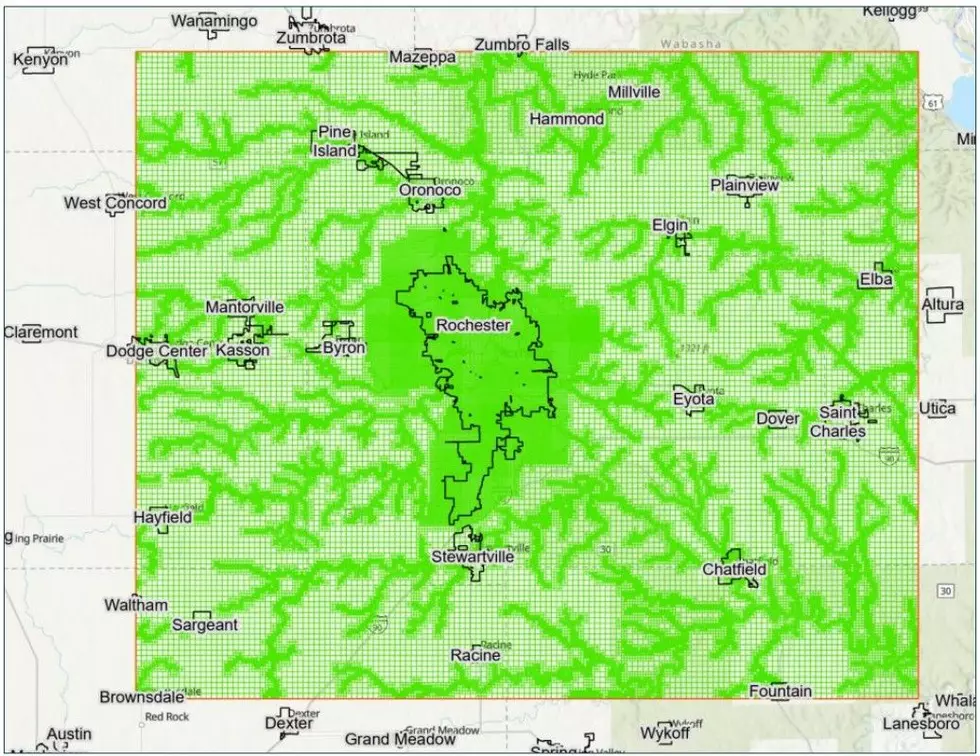
As part of the consideration of whether expanded use of the Jordan aquifer is possible, RPU says the study will include a complex computational model analysis covering more than 1,500 square miles in southeastern Minnesota. The purpose will be to determine how much water can be safely drawn from the aquifer without negatively affecting the flow of water in area streams or impacting area wetlands.

RPU documents indicate the results of the modeling are anticipated in October. The municipal utility says that data will form "the foundation for extensive capital planning for water supply, treatment, and distribution." McCollough says that process could take a number of years.
16 Minnesota Pizza Joints Reviewed by Barstool Sports
Gallery Credit: Carly Ross
More From KROC-AM